
Technical Reference — Aircraft Tapes
Aircraft tapes are engineered materials used in aviation maintenance and manufacturing for electrical insulation, surface protection, thermal shielding, and temporary structural repair.
This site provides a technical overview of the main aircraft tape families, explaining their applications, material properties, and the regulatory framework governing their use in aviation environments.
AircraftTapes.com is a technical reference site. It does not sell tape or provide engineering sign-off. Content is written for procurement teams, MRO engineers, and technical stores personnel who need accurate, specification-grounded information before sourcing.
Technical Overview
Application Areas
• Temporary exterior repair
• Electrical insulation
• Harness protection
• Thermal shielding
• Environmental sealing
Typical Materials
• Aluminium foil
• Polyimide (Kapton)
• PTFE
• Fiberglass cloth
• Polyurethane
Temperature Capability
−54°C to 260°C depending on adhesive
Regulatory References
• FAR 25.853
• AC 43.13-1B
• OEM maintenance manuals
Aircraft Foil Tapes
Aluminium foil speed tapes used for temporary exterior aircraft repair and environmental sealing.
Aircraft Electrical & Insulation Tapes
Polyimide and PTFE tapes used for EWIS wire harness insulation and electrical protection.
Aircraft Protective & Anti-Chafe Tapes
Abrasion-resistant tapes used to protect hoses, wiring, and structural components from wear.
Aircraft High-Temperature & Shielding Tapes
Glass cloth and silicone tapes designed for heat exposure and thermal shielding applications.
Aircraft Tape Regulations & Approvals
Overview of aviation tape standards, certification requirements, and regulatory guidance.
Aircraft Tape Materials
Aircraft tape backing materials including aluminium foil, polyimide, PTFE, glass cloth, and UHMWPE used in aviation environments.
Typical Aircraft Tape Applications
- Wire Harness Protection
- Abrasion Protection On Hoses
- Thermal Shielding Near Engines
- Temporary Exterior Repair
- Environmental Sealing
Primary Tape Families
• Aluminium foil repair tapes
• Electrical insulation tapes
• Protective anti-chafe tapes
• High-temperature shielding tapes
Typical Aerospace Uses
• Temporary exterior sealing
• EWIS harness insulation
• Abrasion protection
• Thermal masking
Aircraft Tape Families
Select a tape family to read the full technical reference — including material chemistry, key properties, specification compliance, temperature limits, typical aerospace applications, and installation guidance.
Aluminium Foil Tape
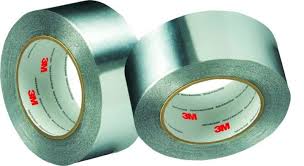
Aluminium foil speed tape used for temporary exterior repair.
Aluminium foil “speed tape” is the most widely recognised aircraft tape family and is commonly used for temporary exterior sealing and repair on aircraft surfaces.
- What speed tape actually is
- Why aluminium foil tape is used on aircraft skin
- Key material specifications such as SAE AMST23397 and MILT23397
- Typical failure modes such as edge lift and contamination
Tags: AMS-T-23397 · MIL-T-23397 · Exterior sealing · Temporary repair
Aircraft Electrical & Insulation Tape
Polyimide and PTFE tapes used for EWIS harness protection.
Electrical and insulation tapes protect wiring systems, provide dielectric insulation, and support EWIS compliance within aircraft electrical systems.
- Polyimide (Kapton) film tapes
- Glass cloth silicone tapes
- Polyester harness tapes
Tags: Kapton / Polyimide · Glass cloth silicone · EWIS / FAR 25.1701 · Harness wrapping
Aircraft Protective & Anti-Chafe Tape
Abrasion protection for hoses and wiring.
Protective tape families reduce mechanical wear, abrasion, and friction across aircraft structures and wiring systems.
- PTFE anti-chafe slip layers
- UHMWPE abrasion-resistant wear tapes
- Polyurethane erosion protection
Tags: PTFE anti-chafe · UHMW wear tape · Polyurethane erosion · Leading edge
Aircraft High-Temperature & Shielding Tape
Glass cloth and silicone tapes for heat zones.
Aircraft high-temperature tape families are used in environments exposed to heat, electrical interference, or maintenance processes such as paint stripping.
- Engine bay proximity zones
- Bleed-air duct areas
- EMI / RFI shielding
- High-temperature masking during maintenance
Tags: Glass cloth silicone · EMI shielding · High-temp masking · 316°C rated
Aircraft Tape Selection Guide
Selecting the correct aircraft tape requires understanding the interaction between temperature limits, flammability compliance, fluid exposure, and specification approval.
- Temperature rating
- Flammability compliance
- Fluid compatibility
- Specification compliance
- Traceability requirements
Tags: Selection matrix · FAR 25.853 · Temperature rating · Procurement checklist
Regulations & Approvals
FAA, EASA & OEM Approval Frameworks
- FAA AC 43.13 acceptable practices
- FAR 25.853 flammability requirements
- Boeing BMS qualification systems
- Airbus ABR / AIMS approval frameworks
Tags: AC 43.13 · Boeing BMS · Airbus ABR/AIMS · FAA / EASA
Aircraft Tape Applications by Use Case
| Application Zone | Primary Tape Family | Key Constraint | Reference |
|---|---|---|---|
| Exterior fuselage seam repair | Aluminium foil speed tape | Temporary repair only | Aluminium Foil Tape |
| Leading edge erosion protection | Polyurethane erosion protection tape | Temperature and impact limits | Protective Tape |
| Wire harness anti-chafe | PTFE slip tape | Maintain low-friction surface | Protective Tape |
| Electrical harness wrapping | Polyimide insulation tape | Must meet EWIS requirements | Electrical Tape |
| Cargo floor wear protection | UHMWPE abrasion tape | Consumable wear protection | Protective Tape |
| Engine bay heat exposure | Glass cloth silicone tape | High-temperature resistance | High-Temp Tape |
| Paint strip masking | Polyimide or glass cloth masking | Must withstand stripping process | High-Temp Tape |
| EMI shielding | Aluminium or copper foil tape | Electrical continuity required | Shielding Tape |
Understanding Aircraft Tape Selection
Aircraft tape is not one product. It is a family of engineered materials with different chemistries, temperature limits, specifications, and approval routes.
Most engineers encounter aircraft tape as a procurement problem — a part number on a task card or a specification without context. This site works backwards from the engineering logic.
Each category page explains what the tape is, where it is used, and what its physical limits are. The goal is simple: help procurement teams ask the right questions and help maintenance engineers understand why the wrong tape in the wrong location fails.
Regulatory Context
One of the most common errors in aircraft tape selection is assuming that a product datasheet equals installation approval. It does not.
A datasheet describes the material performance of a tape. Actual installation authority comes from OEM maintenance documentation, engineering orders, and approved operator procedures.
A tape may meet a material specification such as AMST23397 yet still require approval before installation on a specific aircraft system. Material compliance defines the tape. Approved maintenance data defines where it may be installed.
Pitot and Static Port Safety
Tape applied near pitot tubes, static ports, or angle-of-attack sensors has been linked to multiple aviation incidents when not removed before flight.
Tape should never be applied near pitot-static systems unless explicitly authorised by approved maintenance procedures.
Aircraft Tape Supply
AircraftTapes.com is designed as a technical reference layer for aviation tape knowledge.
For sourcing aviation-approved aluminium foil speed tape used in temporary aircraft repair, see SpeedTapes.com — the Aerospace Digital Group sourcing platform for certified aviation tapes.
AircraftTapes.com — Technical reference for aerospace tape selection and specification.
Content is provided for informational purposes only and does not constitute approved maintenance data.
All aircraft maintenance must be performed in accordance with OEM documentation and applicable regulatory requirements.